 नेपालमामिला संवाददाता
Advertisement


 २०८३ बैशाख १७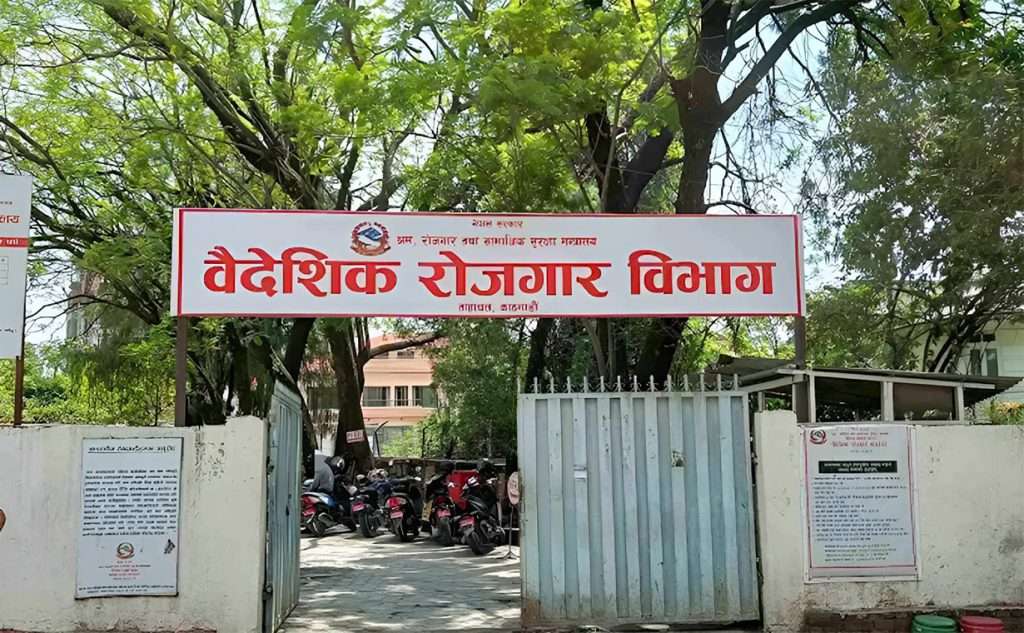
KATHMANDU, April 29 – A harrowing case of institutional exploitation has left five Nepali migrant workers stranded in a remote forest in Sri Lanka for the past four months, exposing a grim reality of human trafficking disguised as foreign employment.
The victims—identified as MD Ashraf Ali, Mohammad Ikramul, Mohammad Akhtar, Mohammad Asif, and Bishwanath Sah Kanu from Rautahat—arrived in Sri Lanka on January 12, 2026. They were recruited by Samakhusi-based Peace Nepal Overseas after paying approximately NPR 185,000 each for promised high-paying manufacturing jobs.

The reality facing these men in the ‘Warigoda’ area of Kuliyapitiya bears the hallmarks of modern-day bondage rather than professional employment:
The plight of these workers highlights a disturbing lack of accountability within both the private sector and state oversight bodies. The victims allege that the manpower agency director accompanied them to Sri Lanka, provided false assurances of a better placement within two weeks, and then returned to Nepal. Furthermore, the recruitment agent avoided official channels by directing payments into personal bank accounts rather than company records.
The response from the Nepali state has been largely performative. While the Department of Foreign Employment has blocked the agency’s ID, no concrete steps have been taken to ensure a safe rescue. Meanwhile, the agency’s management has dismissed the workers’ desperate pleas as “minor complaints about food and weather,” trivialising a situation of genuine peril.

This case is a stark reminder that when the state and businesses prioritise profit over people, migrant workers pay the price. Burdened by high-interest loans from local lenders, these five men are now trapped between an abusive employer abroad and the threat of financial ruin at home. Until the government moves beyond bureaucratic formalities to actively protect its citizens from predatory recruitment practices, such cycles of exploitation are destined to continue.
(Source: onlinekhabar.com)

